Art · 2009 – 2026

Practices, objects, interventions

How does language expand? Where do textiles, photography, electronics and storytelling meet? I’m interested in collective practices, unexpected crossings and the sensory experiences that art offers.

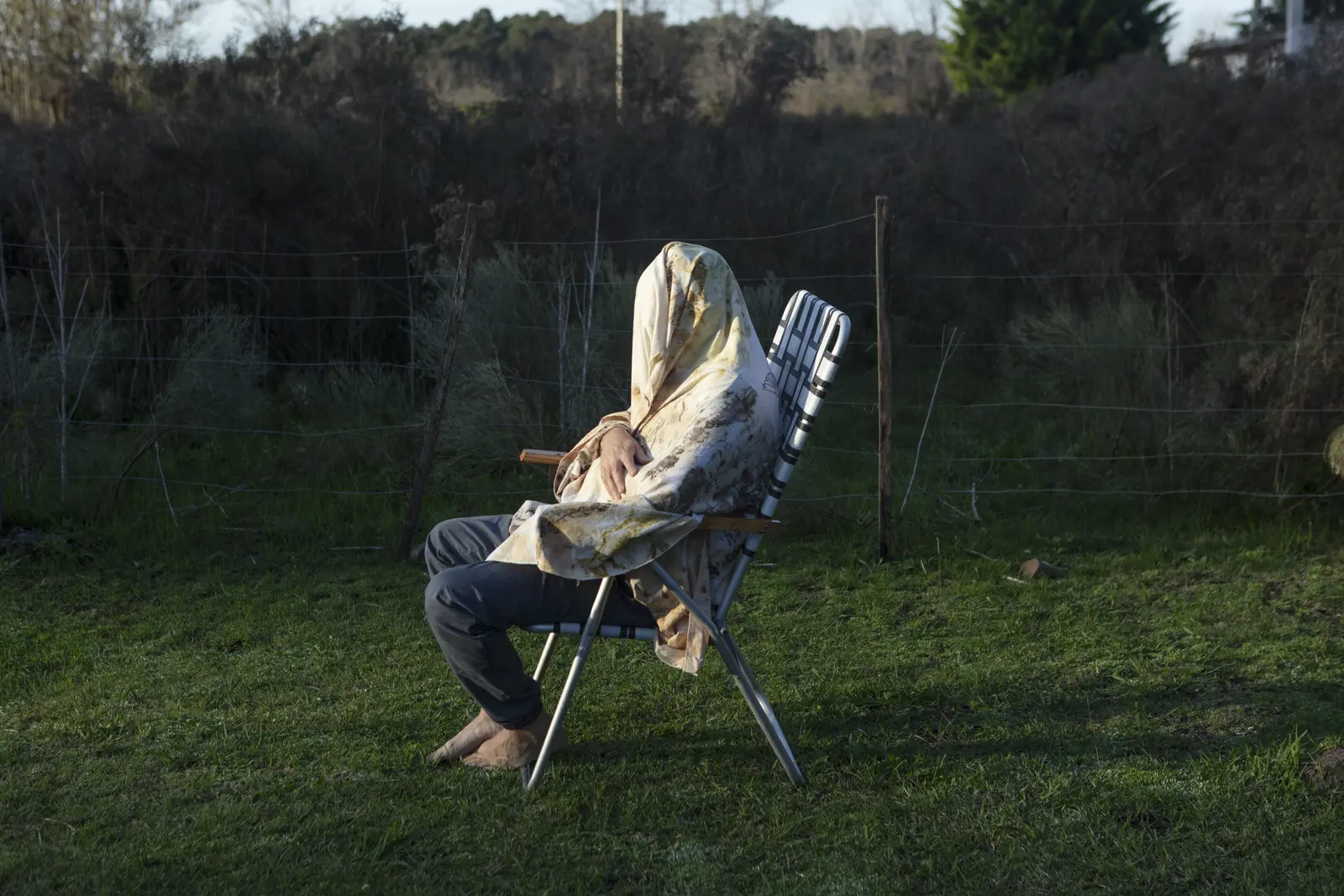
A figure sitting on a chair in a field, covered by an embroidered cloth.
“His work stands out for the way it links storytelling, reproduction technologies and handmade embroidery.”
Mónica Bernabé, «Restituciones: formas de la narrativa documental», Telar no. 28, 2022 (translated from Spanish).

My method

Tell

Narrative nonfiction, fiction and essays. I write about what I make while I make it: the Inakayal stories came out in Revista Anfibia as the embroidery moved forward.

Embroider

I’ve embroidered since 2015, almost always in a circle. The works are made in gatherings, with dozens of people: Mapuche communities, embroiderers, friends, people who come through the newsletter.

Expand

Photography, sun printing, sensors, Arduino, chatbots. The technique shows up when the story asks for it.

Works

2026
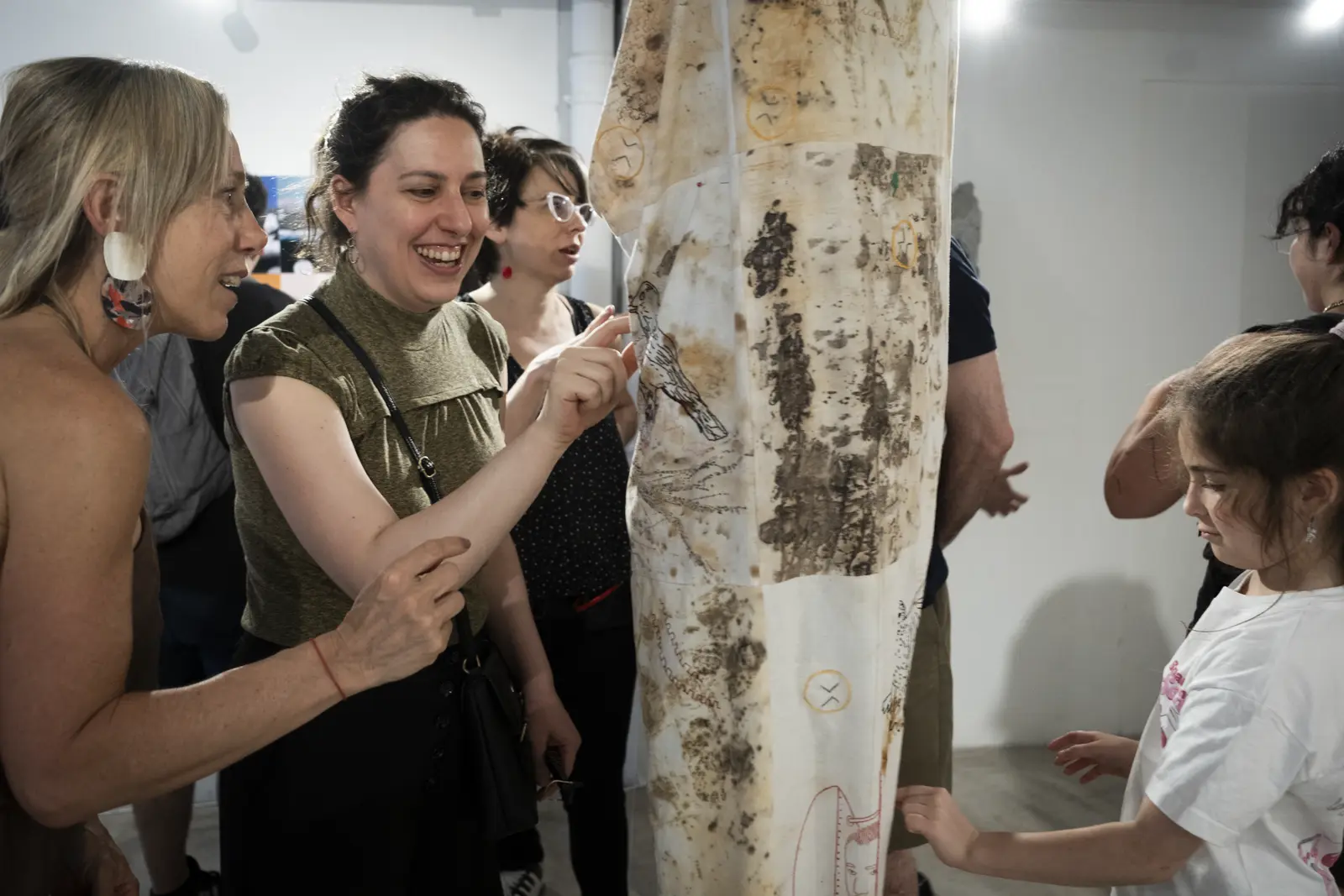
Visitors touching manta/monte at Acéfala Galería.
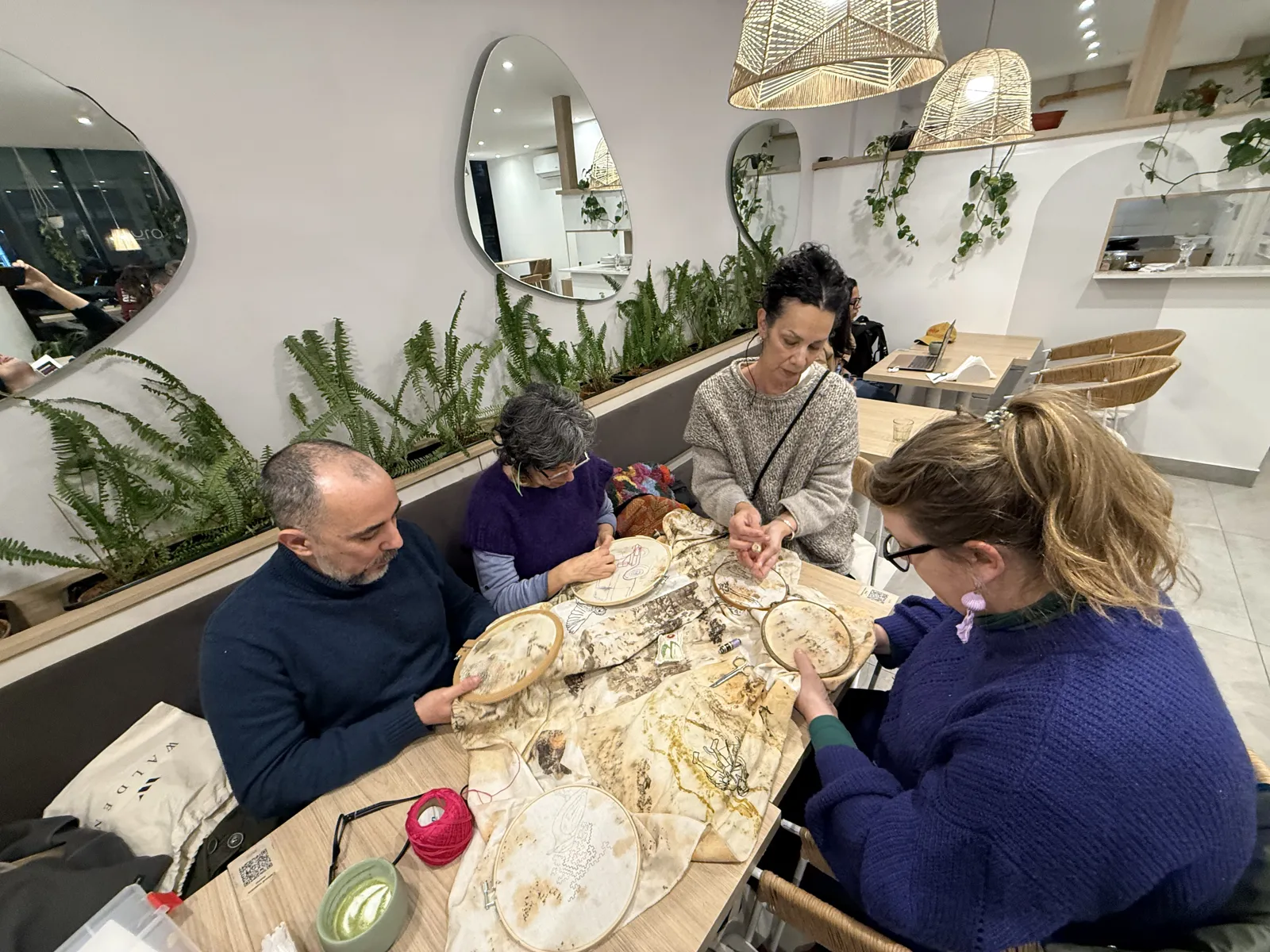
Embroidery circle around the blanket, at a long table.
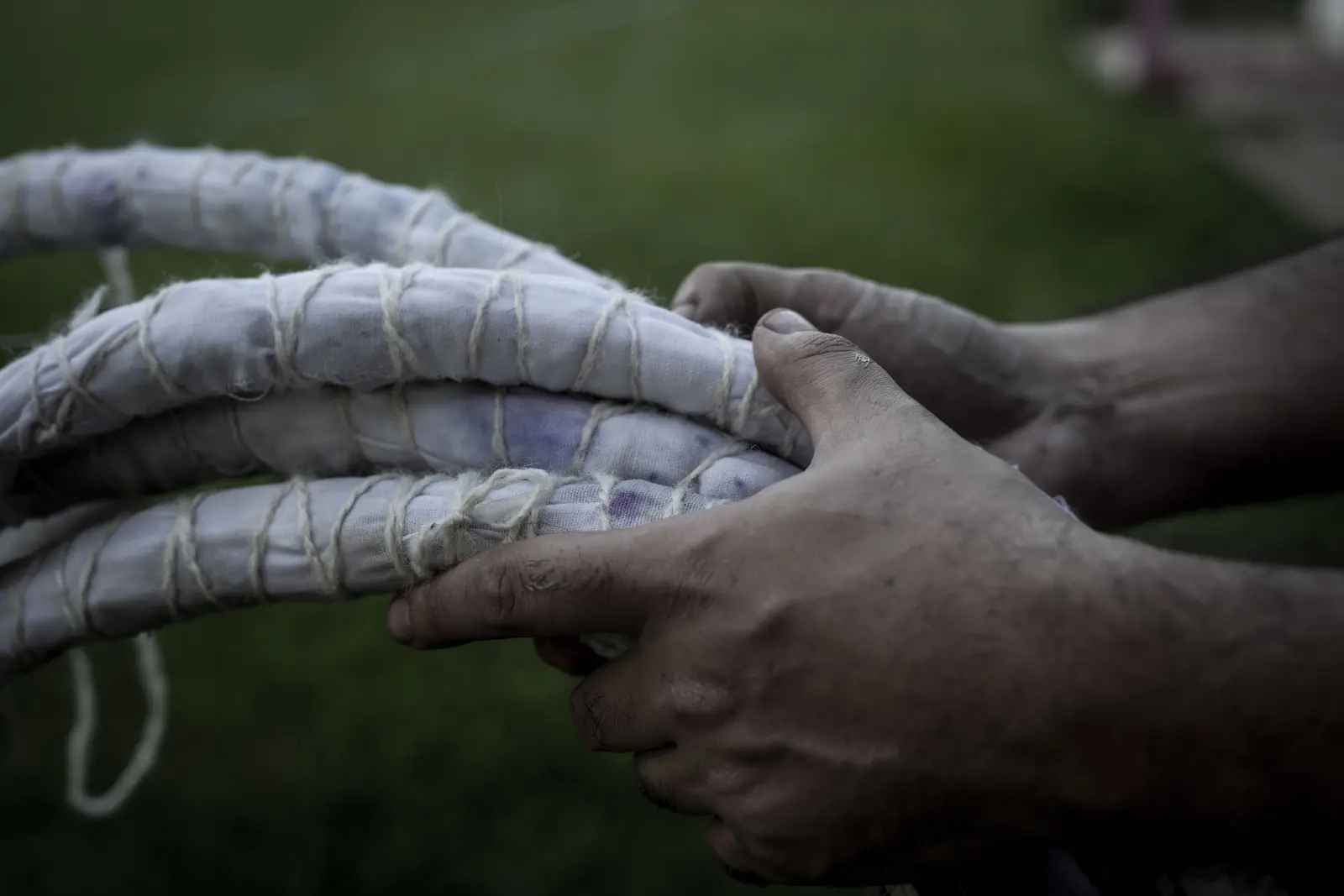
Hands rolling up the blanket’s cloth on the grass.
EmbroiderExpand

manta/monte

Interactive textile installation · 2020 – 2026

A blanket made of scraps printed with plants from the woods, embroidered by more than fifty people. When someone touches it, it plays the sounds of the countryside where I live: birds, wind, and my neighbors’ speakers too.

It took me about five years. I sorted plants with a biologist, printed them, and we ended up embroidering it in circles, in bars, bookstores, workshops and my studio, because embroidering in silence had become impossible: first because of the noise, then because of tinnitus. At the Acéfala clinic, with luthier Javier Bustos, I learned to solder and composed music for the first time, two tracks for the blanket. I sewed sensors into it with conductive thread: when someone touches it with a metal thimble, the circuit closes and it plays.

Technique
Linen, botanical printing, collective embroidery, conductive thread, sensors, circuit board and original music.
Show
«Frecuencias Híbridas», Acéfala Galería, Buenos Aires (November 2026), with a mini embroidery rave scored by the blanket on November 14.
Circles
Pura, Chacarita (2025) · Eterna Cadencia (2025) · Estación Libro (2025) · Libremos (2025) · Cabildo (2025) · eight circles at the studio (2026).
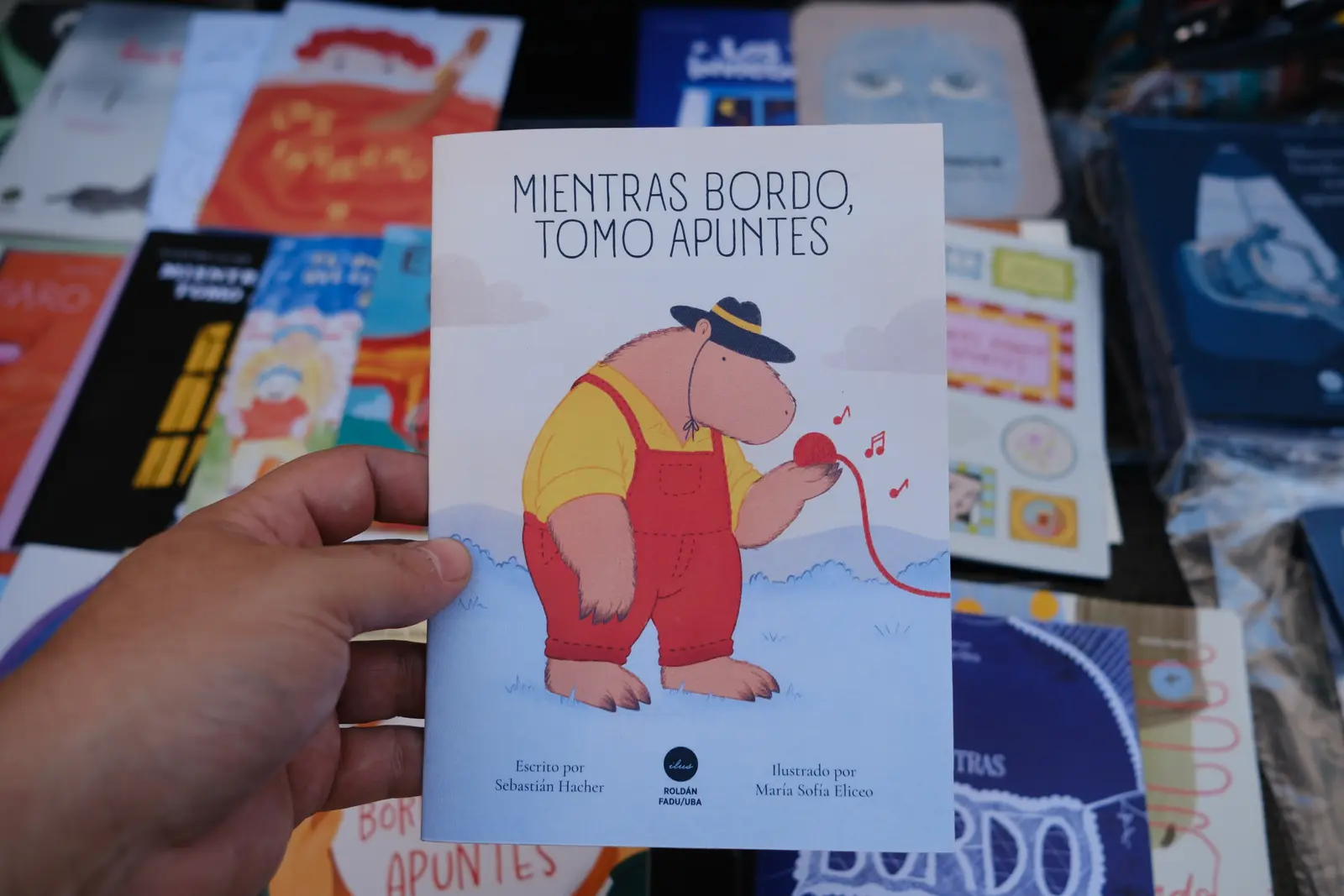
A hand holds an illustrated copy titled «Mientras bordo, tomo apuntes» (While I embroider, I take notes).
Illustration: María Sofía Eliceo.
TellEmbroider

Embroidery decalogue, with Cátedra Roldán

One-of-a-kind copies · 2026

Cicuta para los oídos includes an embroidery decalogue. Illustrators from Cátedra Roldán (FADU/UBA) each made a one-of-a-kind copy of that chapter. The result: a dozen zines on the same text.

Show
Centro Cultural Recoleta, Buenos Aires (November 21, 2026).
2025
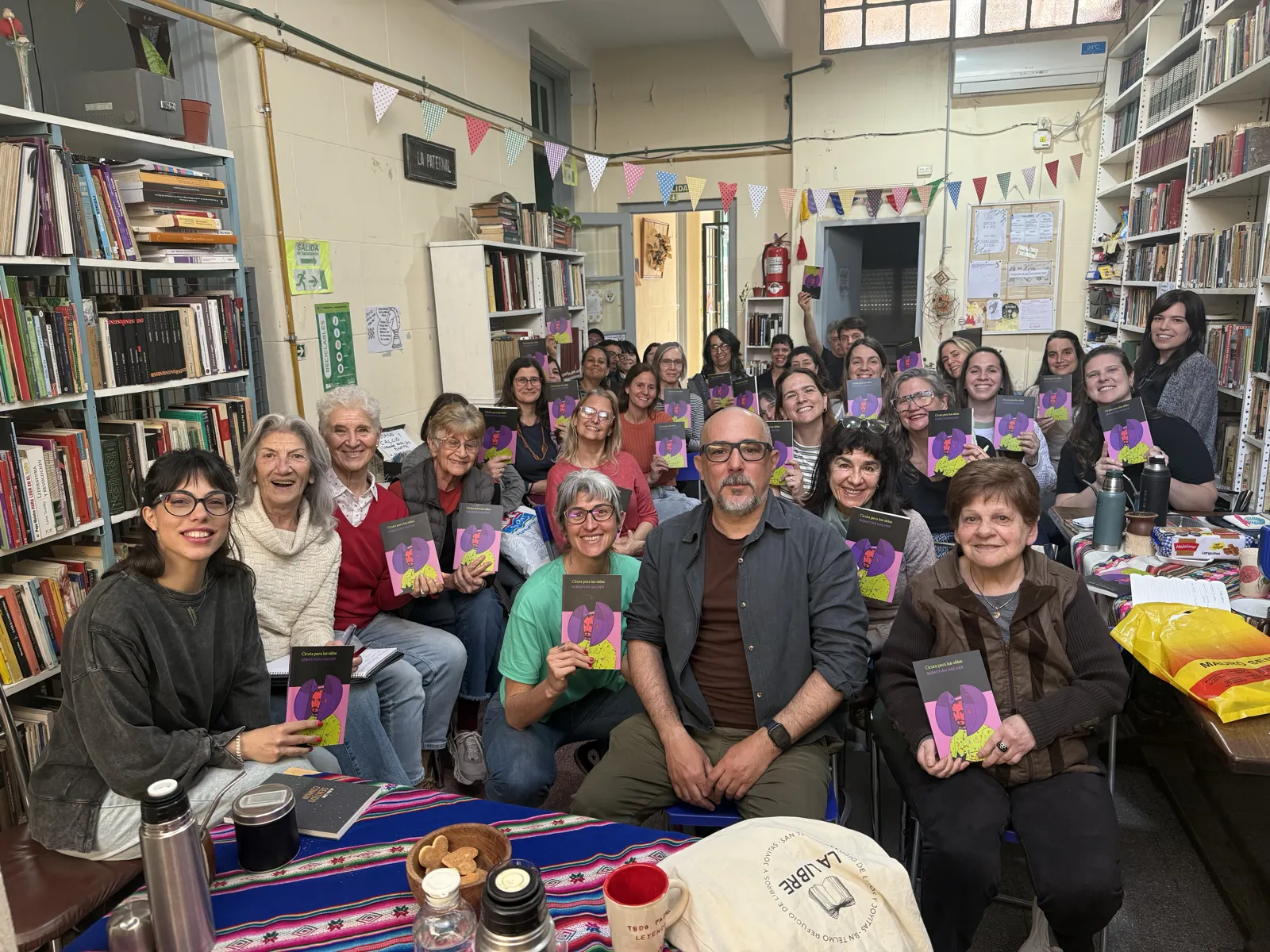
Book launch at a library: a large group poses with copies of the novel.
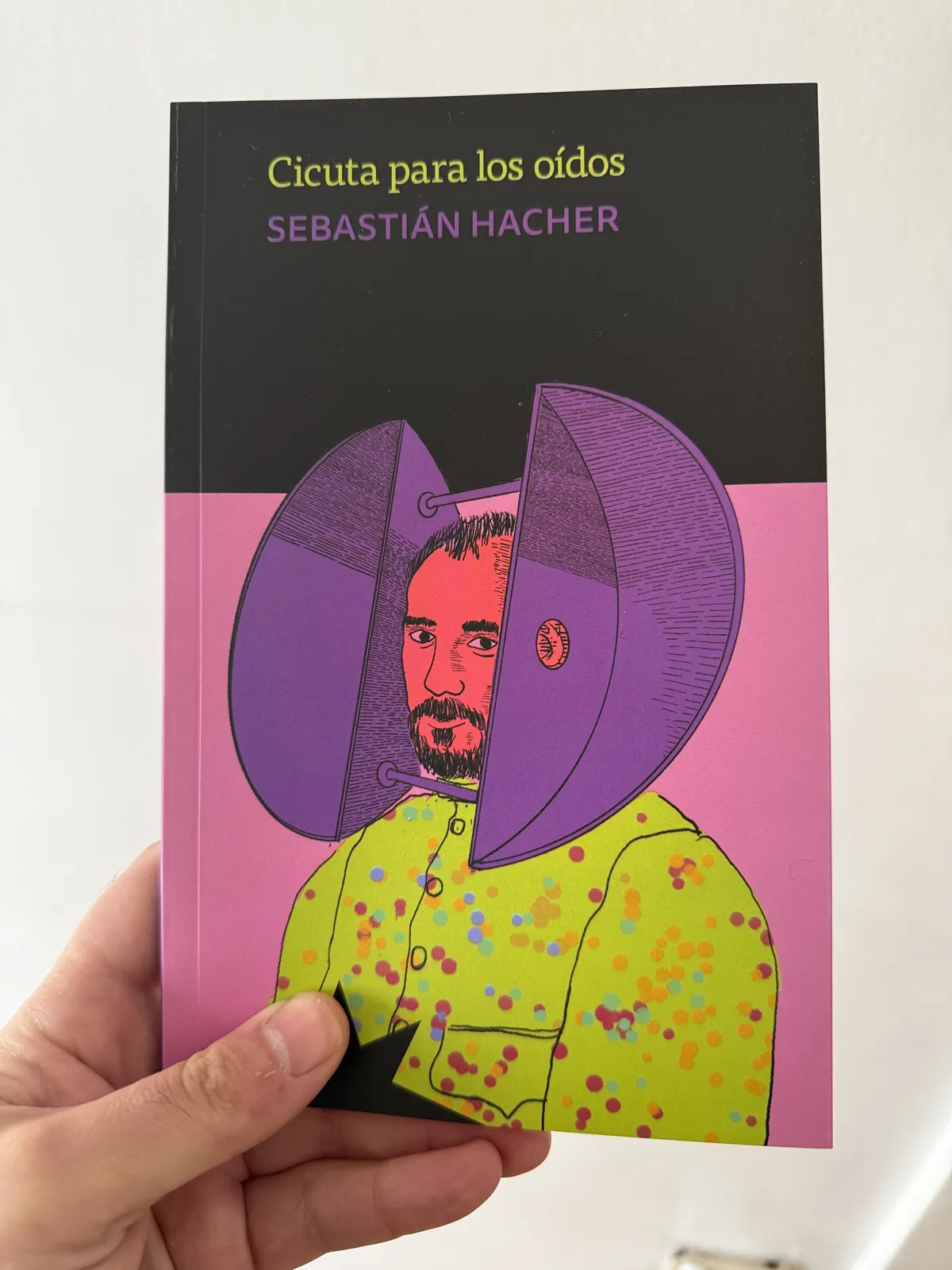
Cover of the novel Cicuta para los oídos.
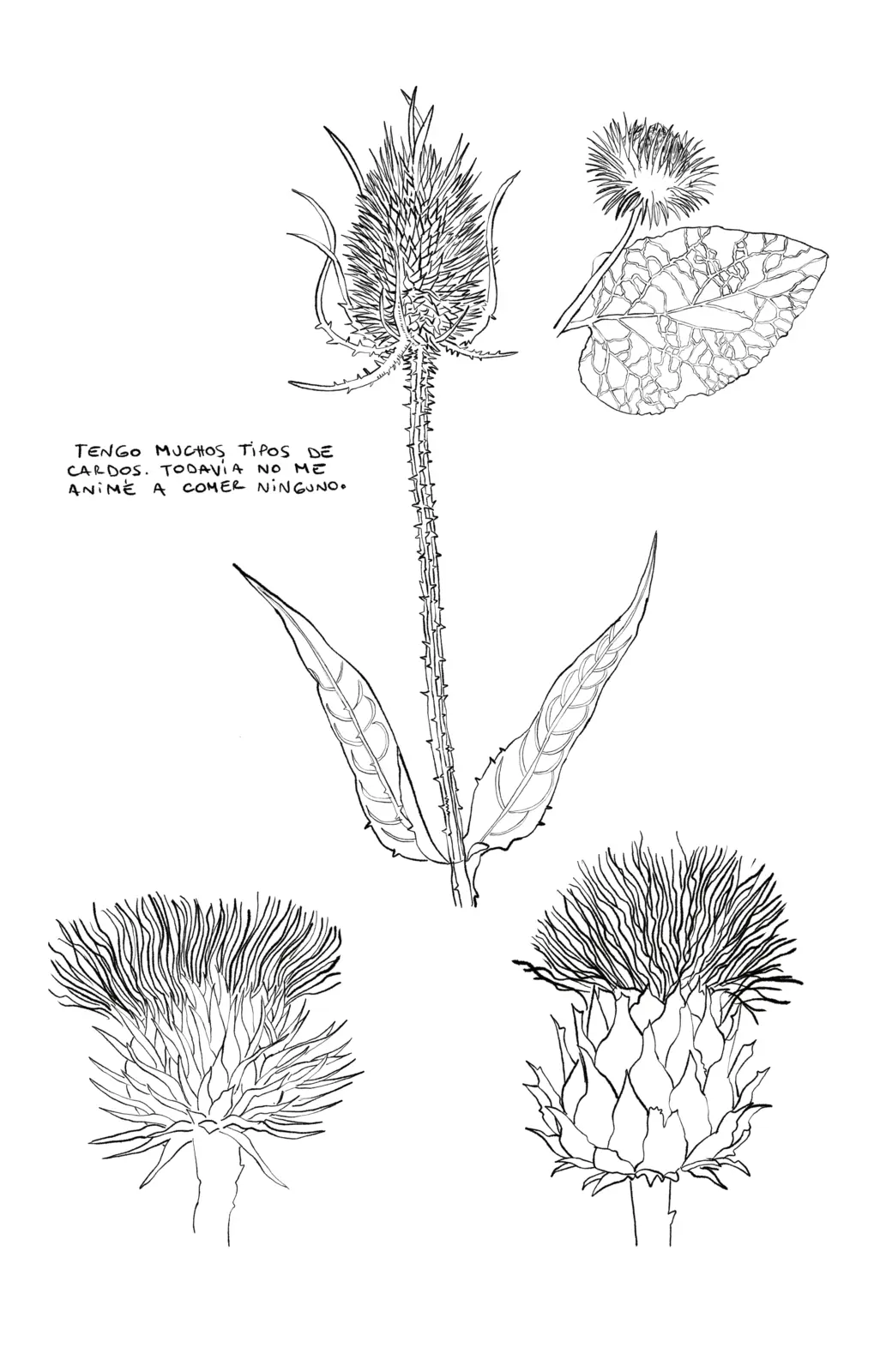
Drawing of a hemlock plant, from the book’s inside pages.
TellEmbroider

Cicuta para los oídos

Novel · Eterna Cadencia · 2025

An artist who embroiders moves to the countryside, 40 kilometers from La Plata, and the neighbors’ noise drives him mad. The novel mixes narrative, photos, sketches and quotes. It was born while I embroidered manta/monte, and now objects and machines come out of it.

María Moreno called it a pacifist manual.

Award
Semifinalist, Premio Medifé novel prize (2025).
Expand

The objects of Cicuta

Things that came out of the novel, made with people from other trades: an electronic luthier, a carpenter, a jeweler.

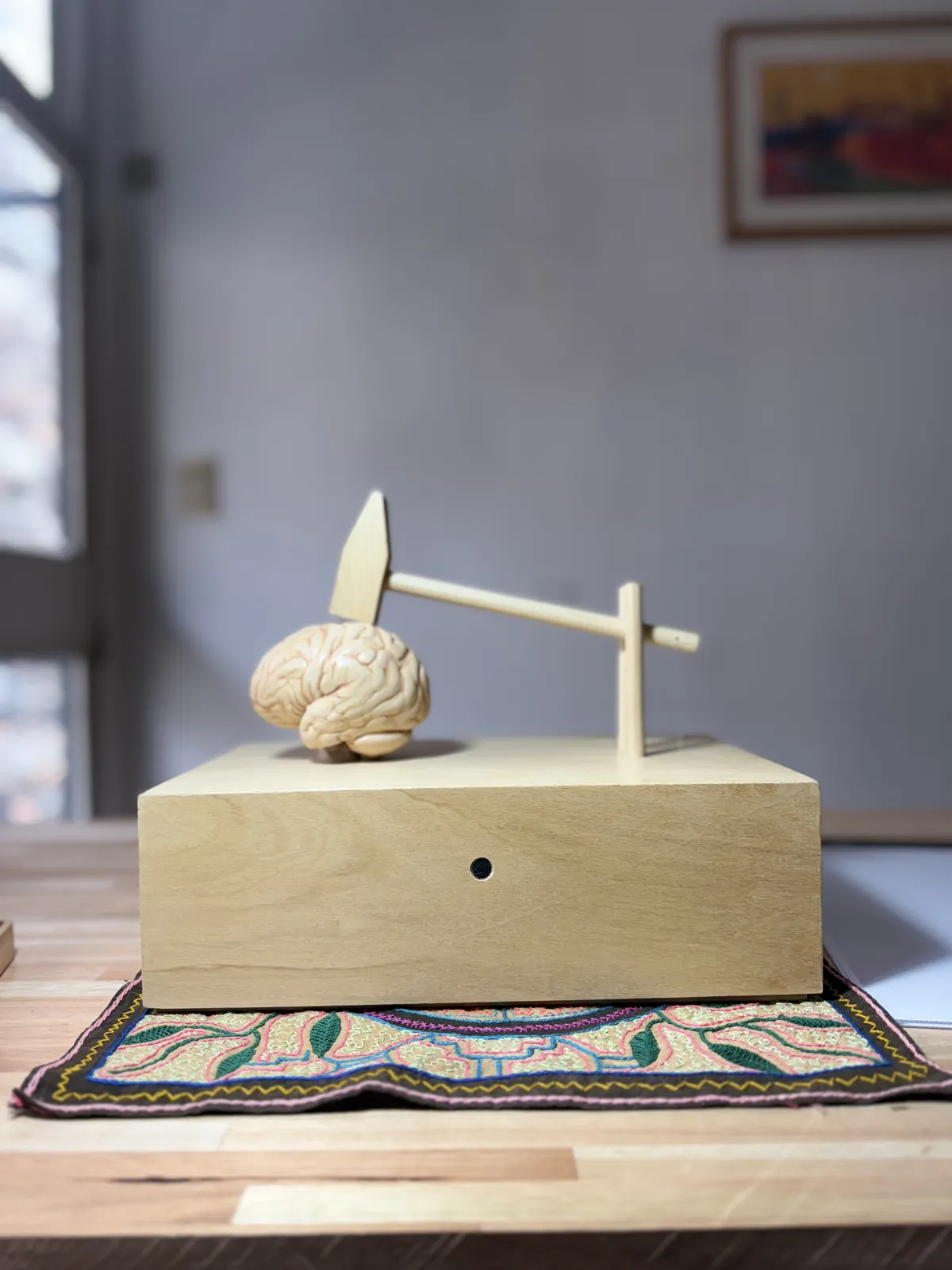
Wooden box with a small hammer over a ceramic brain.

The brain-hammering machine

2025 · wood, ceramic, Arduino

When the noise goes past a certain threshold, it starts hammering a brain, harder and harder.

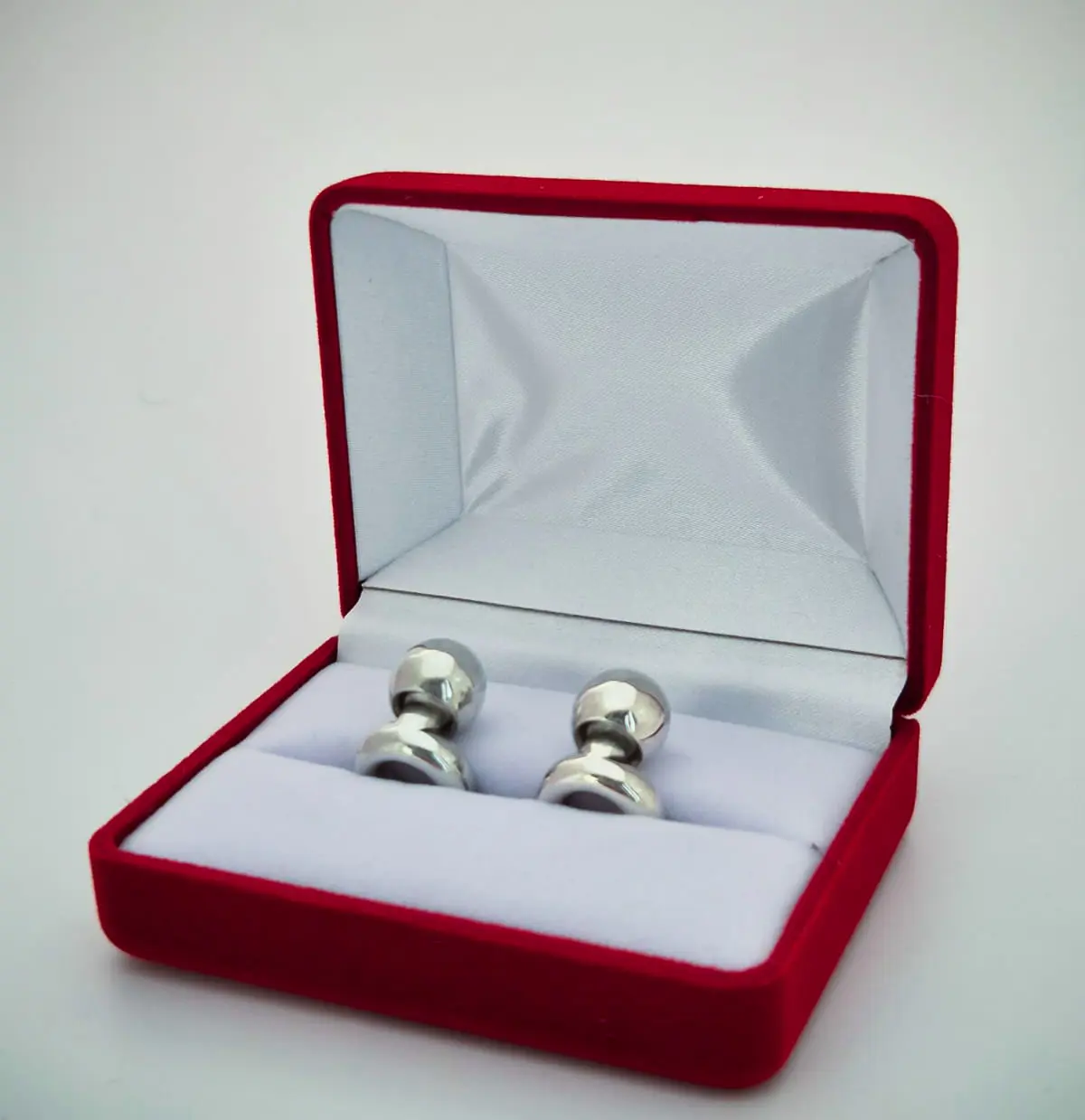
Two silver earplugs in a red jewelry case.

Jewel earplugs

2025 · silver

Silver earplugs, made like a piece of jewelry.

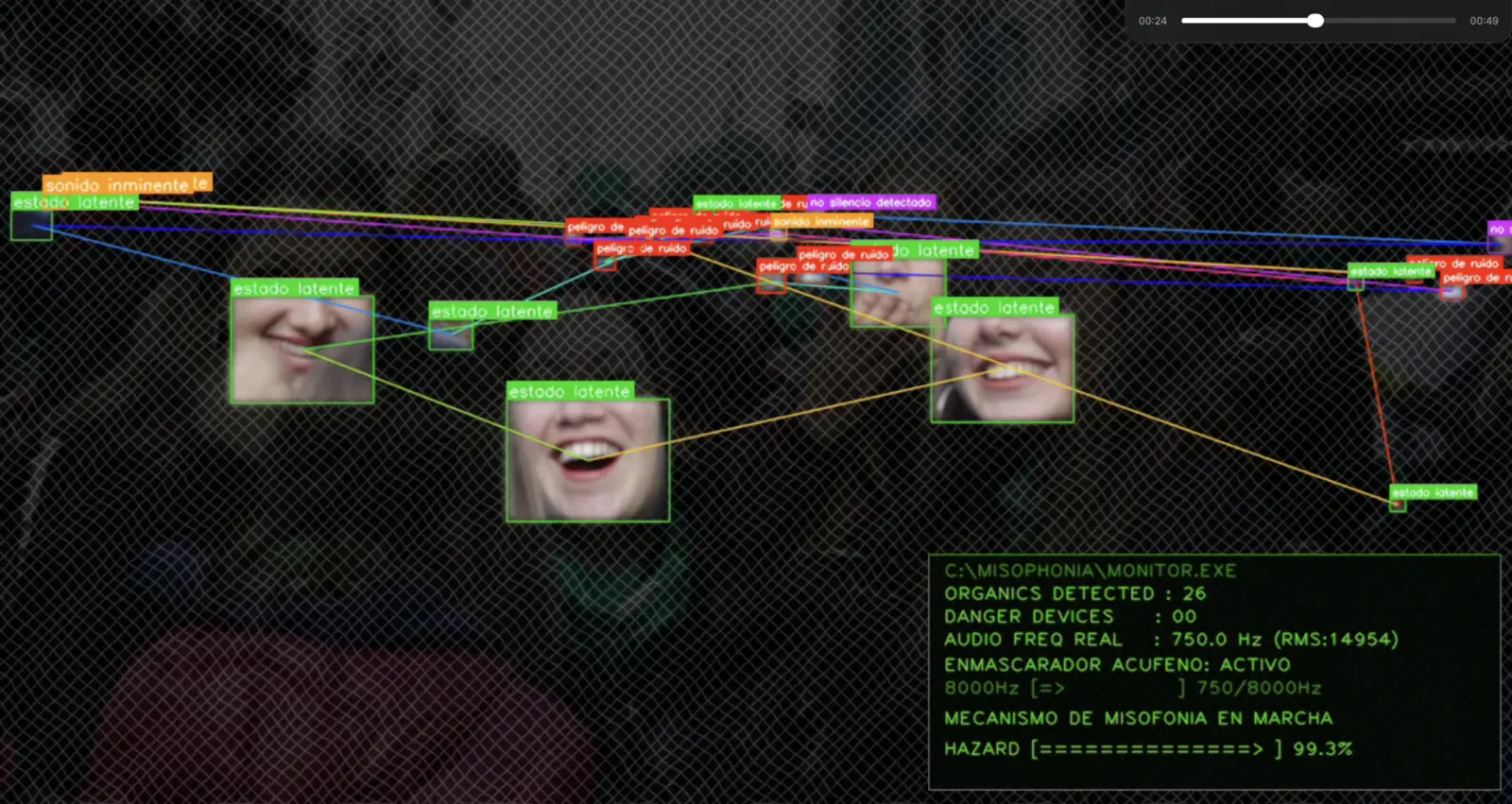
Detector screen with green boxes over faces and nature images.

reprogram_v2

In progress · video and Python

A noise detector for people with misophonia, like a surveillance camera. It looks for objects in nature images and uses a neighbor’s audio as its signal.

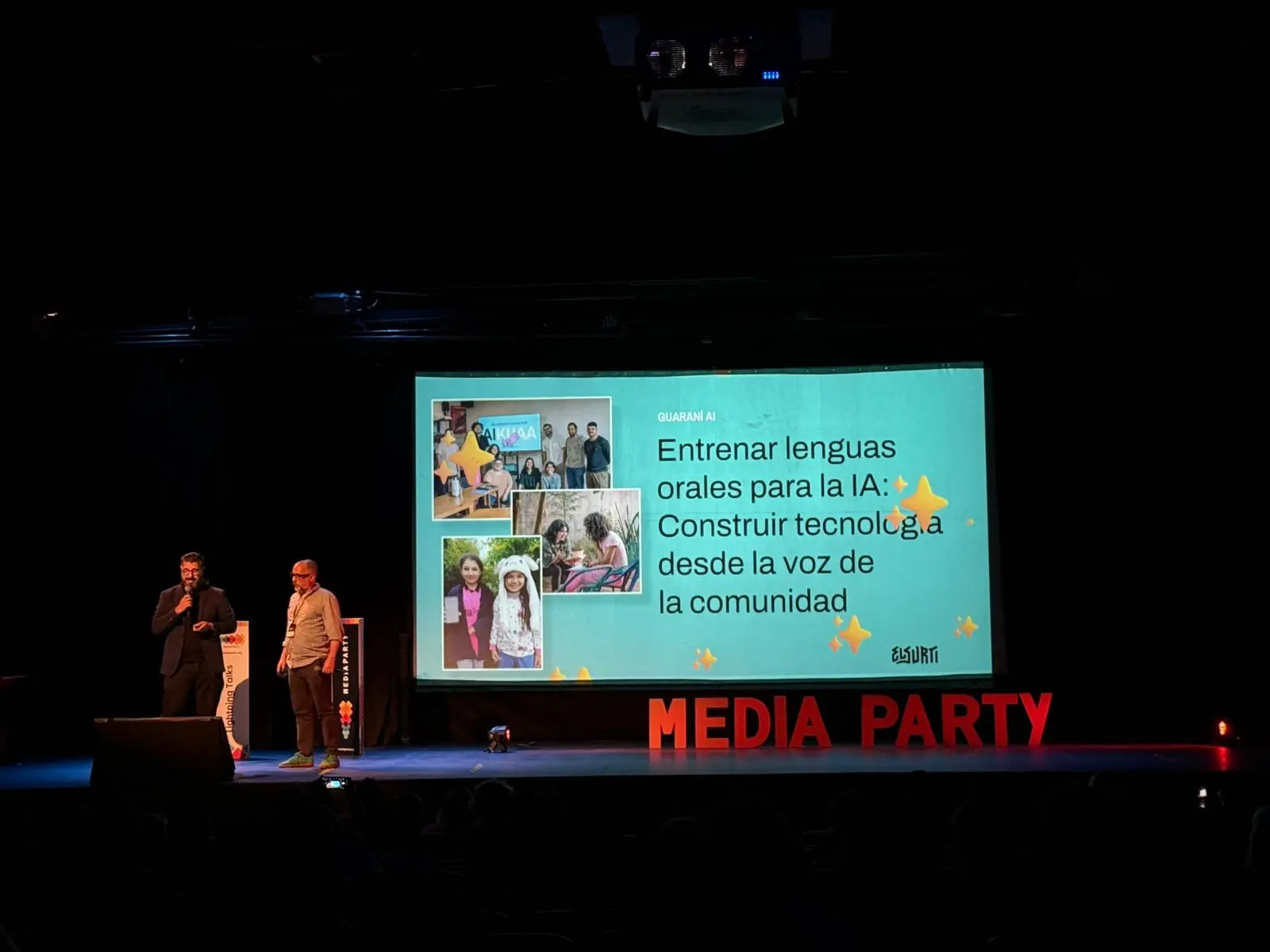
Talk on a stage with the slide «Entrenar lenguas orales para la IA» (Training oral languages for AI).
ExpandTell

AIkuaa: an AI that speaks Guaraní

With El Surti, Paraguay · 2024 – 2025

The follow-up to Eva. A community project so voice technologies can understand and speak Guaraní, a language used by almost seven million people. In mingas (collective work days), the community recorded and validated phrases for an open dataset. I did the conversation design with Axel Marazzi.

Support
JournalismAI Innovation Challenge (2024).
2024
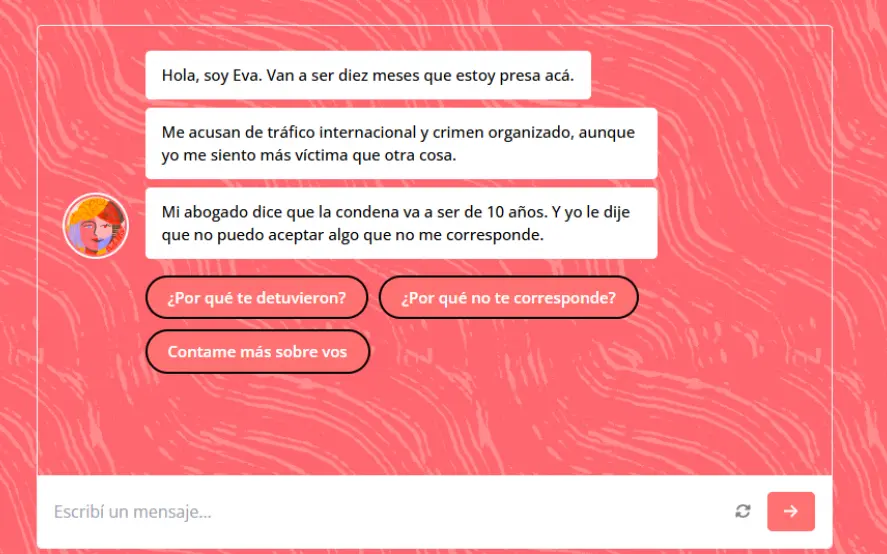
Chatbot screen: Eva introduces herself, says she has been in prison for ten months and offers buttons with questions.
TellExpand

Eva

Nonfiction chatbot · El Surtidor, Paraguay · 2024

A chatbot that speaks as a woman held in the Buen Pastor prison in Asunción. We built it from a three-hour interview by journalist Juliana Quintana. We wrote every answer ourselves: the AI only interprets the questions, so Eva doesn’t make things up and keeps her voice. It had more than 10,000 conversations.

Team
Juliana Quintana (reporter), Sebastián Hacher and Axel Marazzi (conversation design).
Support
FINND grant from Fundación Gabo (2024). Selected proposal at the Media Party Media Fair, Buenos Aires (2024).
2018
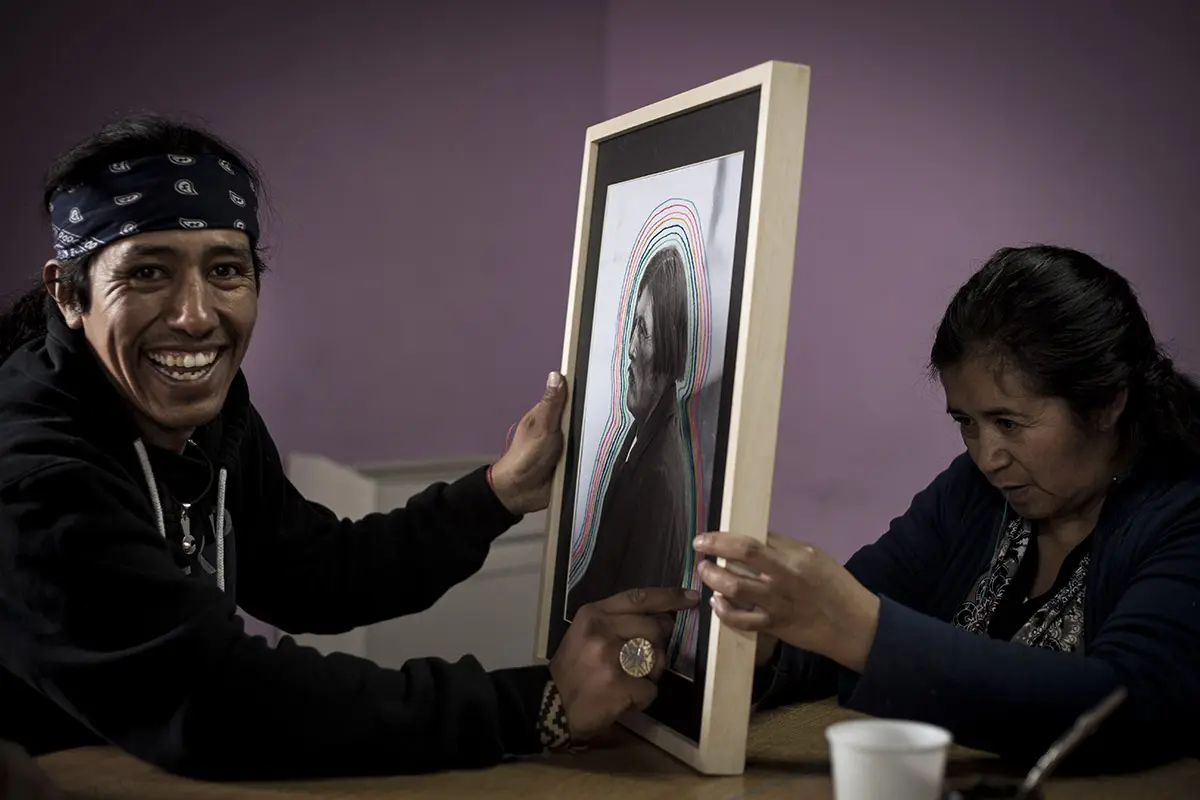
Two people embroider on a framed portrait of a Mapuche prisoner.
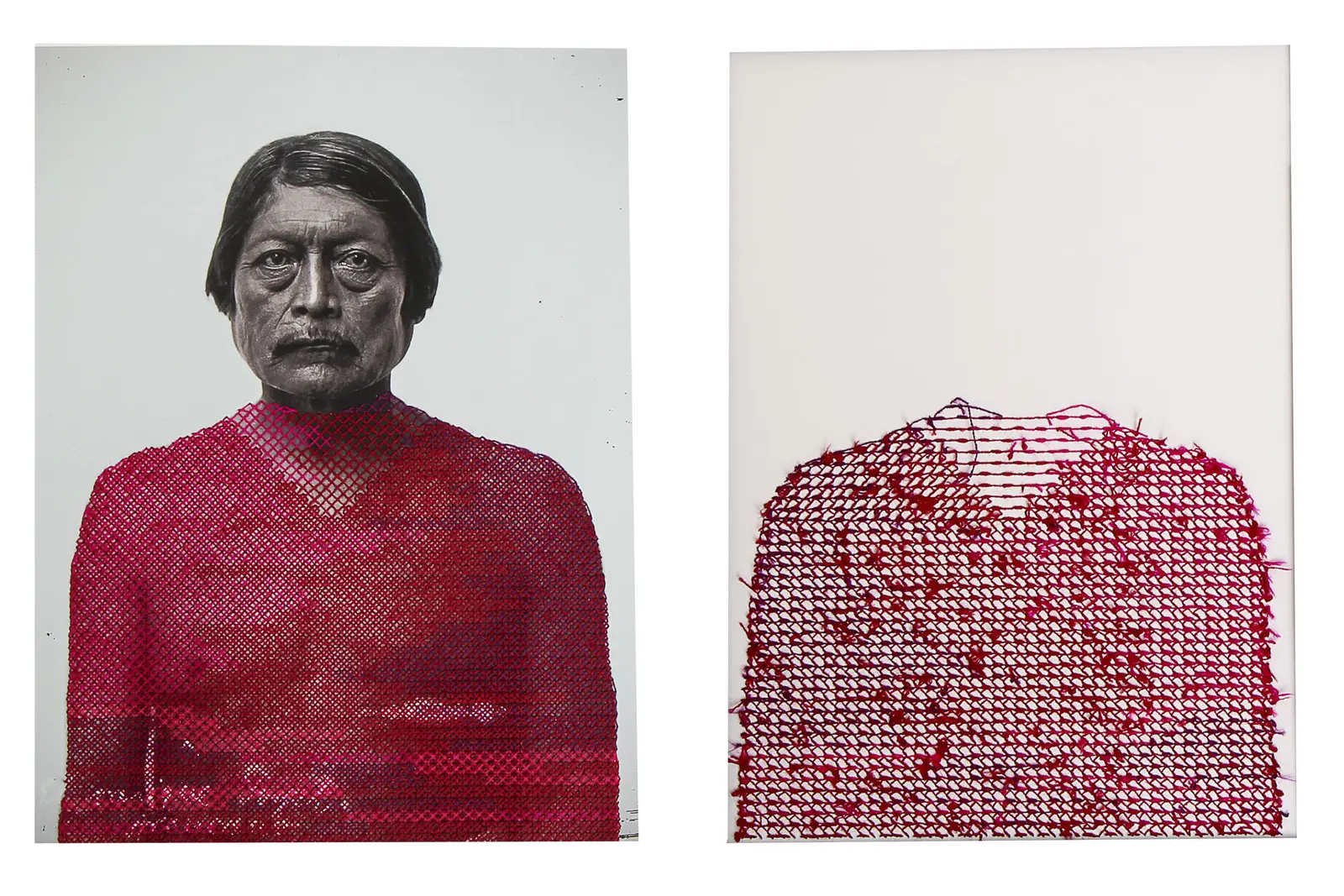
Front and back of an embroidered photo: the portrait and the reverse with the stitches.
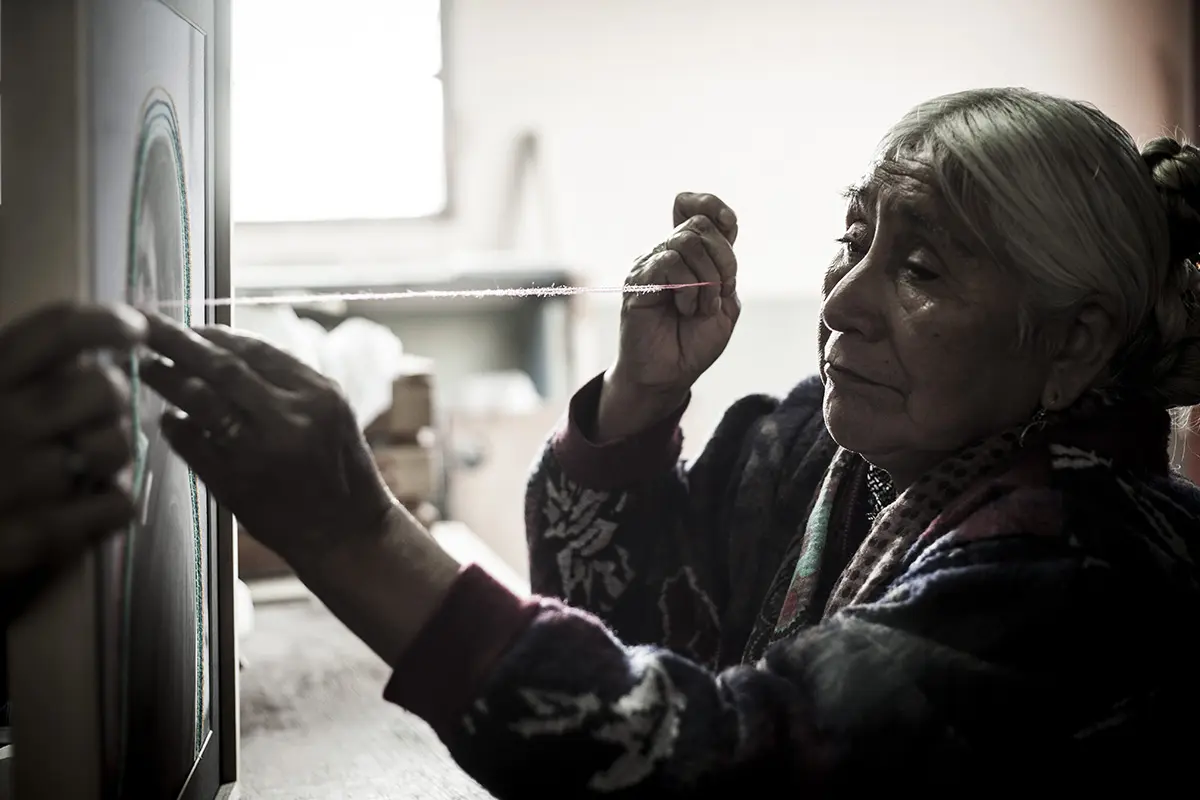
An older woman embroiders on a framed portrait.
EmbroiderTellExpand

Inakayal vuelve (Inakayal returns). Embroidering the Mapuche genocide

Collective embroidery, archival photography and narrative nonfiction · 2017 – 2018

The archive of the Museo de La Plata holds portraits of Mapuche-Tehuelche prisoners taken in 1885, after the so-called Conquest of the Desert. We restored them, printed them and went out to embroider them. For six months we traveled the prisoners’ route backwards, from Viedma to Bariloche, and more than a hundred people, most of them Mapuche, embroidered the photos.

In each place we developed copies of the portrait of lonko Inakayal with sunlight (that’s Alquimia para una foto). I told the story as it happened in pieces for Revista Anfibia.

Mónica Bernabé describes it as an exercise in aesthetic justice.

Shows
SCUM, Bariloche, at the 4th Intercultural Gathering (September 24, 2018) · Museo Estación Cultural, Fernández Oro · Casona de la Memoria, Viedma · Los Toldos · all in 2018.
Tour
Workshops along the Patagonian route: Lago Puelo, El Bolsón, Paraje Foyel, Maquinchao, Ingeniero Jacobacci and Los Menucos.
Support
Fondo Nacional de las Artes and Fondo Metropolitano de las Artes grants (2018) · outreach project of Universidad Nacional de Río Negro (2018) · declared of interest by the Viedma City Council (2018) · the photobook was a finalist at the Centro de Fotografía de Montevideo (2019).
Today
On permanent display at the Quintupuray community, Villa La Angostura.
With
Espacio de Articulación Mapuche, Adrián Moyano, Revista Anfibia.
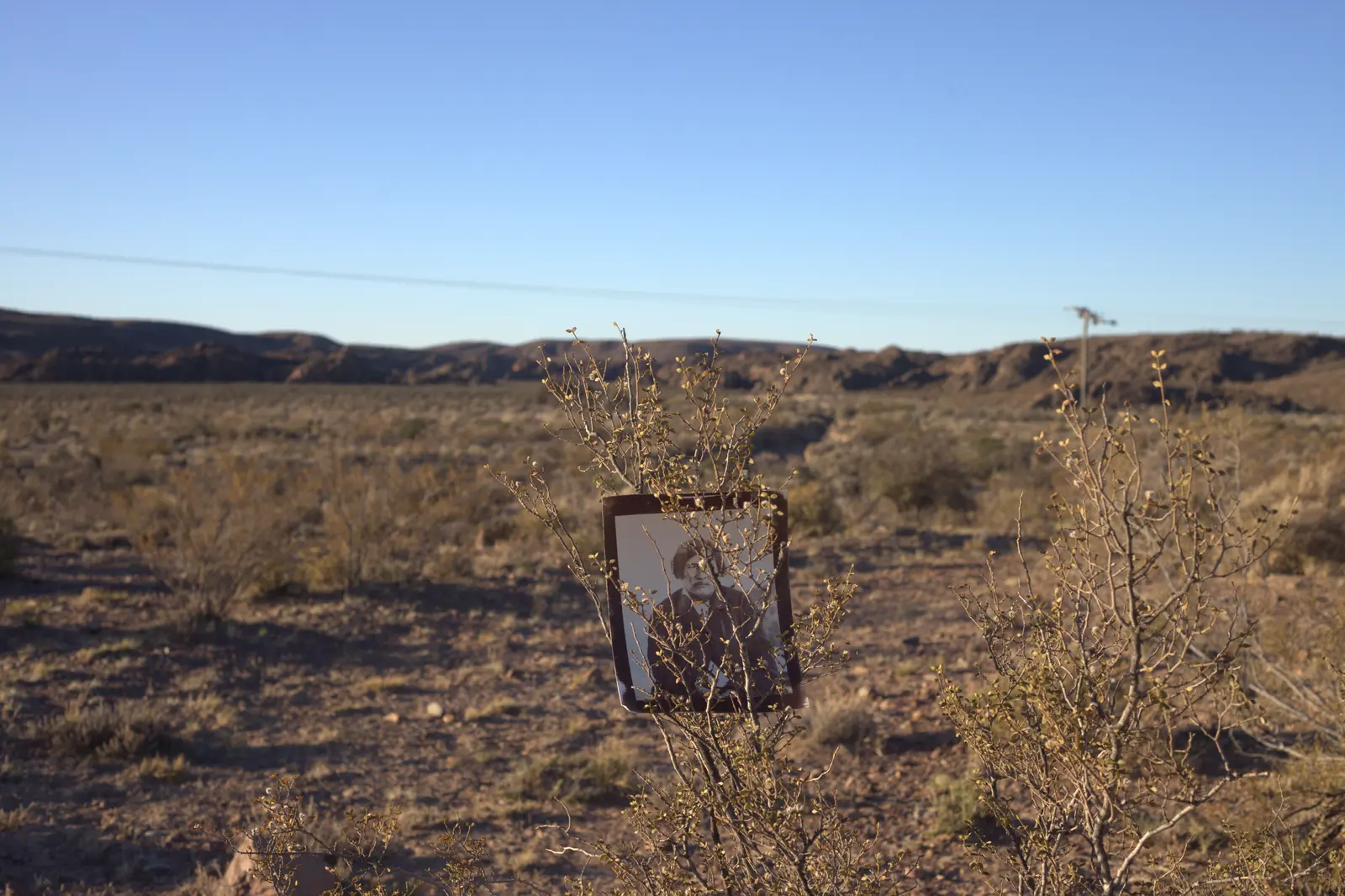
Portrait of Inakayal developed in the sun, resting on the Patagonian steppe.
Expand

Alquimia para una foto

Van Dyke Brown sun printing · 2018

With a light-sensitive emulsion similar to cyanotype, we made copies of Inakayal’s portrait using the sun of each place walked by those who resisted the conquest. The images stayed with each community, on the way back to Lake Nahuel Huapi.

Photo of a house among trees, worked over with colored embroidered thread.
EmbroiderTell

Punto Querandí

Photography, collage and embroidery · 2018

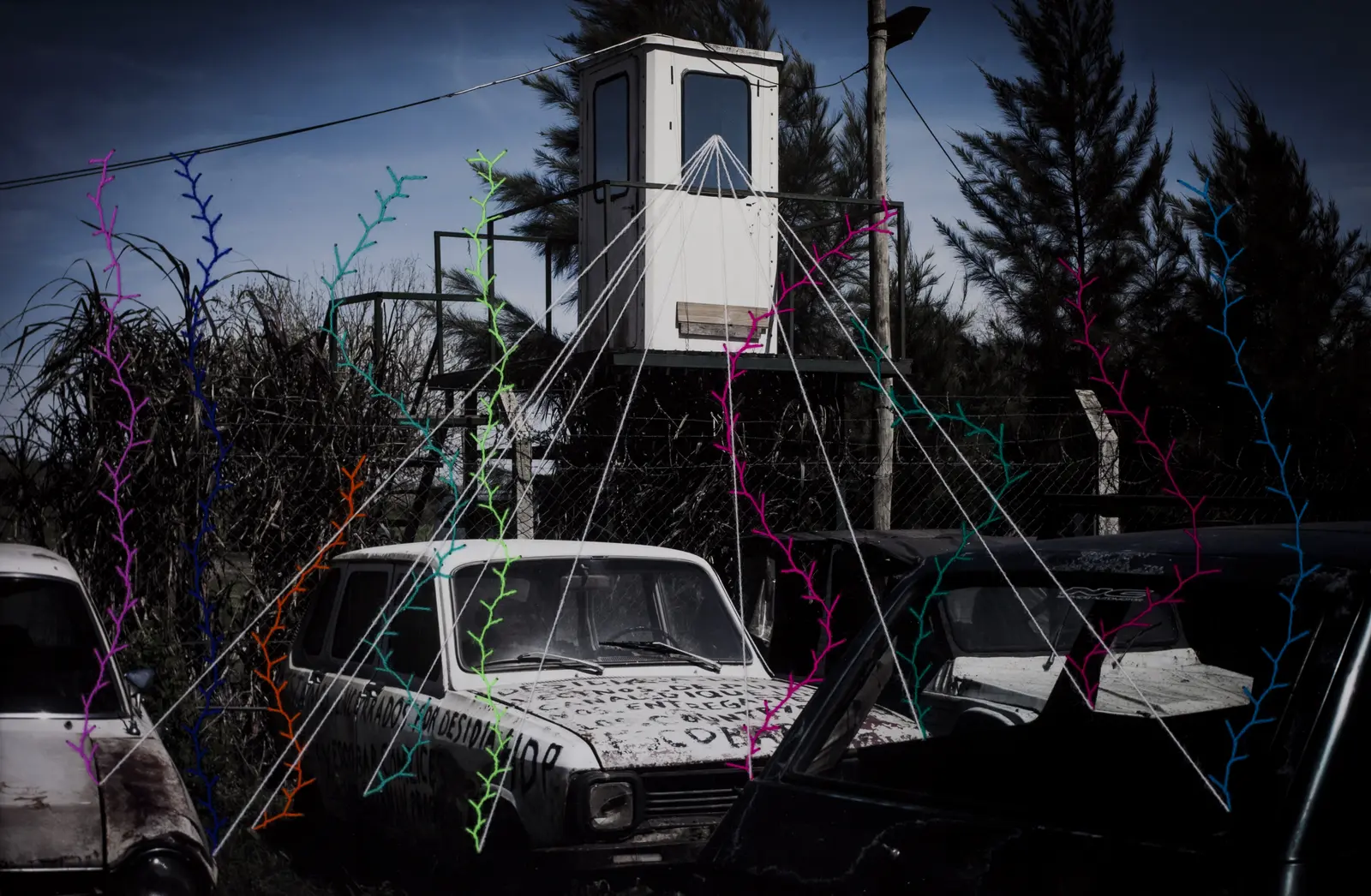
Photos of the land of Punta Querandí, an Indigenous community near the Tigre Delta, squeezed between gated communities and bulldozers. I worked over them with collage and embroidery, and their reverse side is shown too. It came with the story «Punto Querandí», in Anfibia.

Show
Formosa Galería, Colegiales, Buenos Aires (from March 10, 2018). Curated by Guillermina Baiguera.
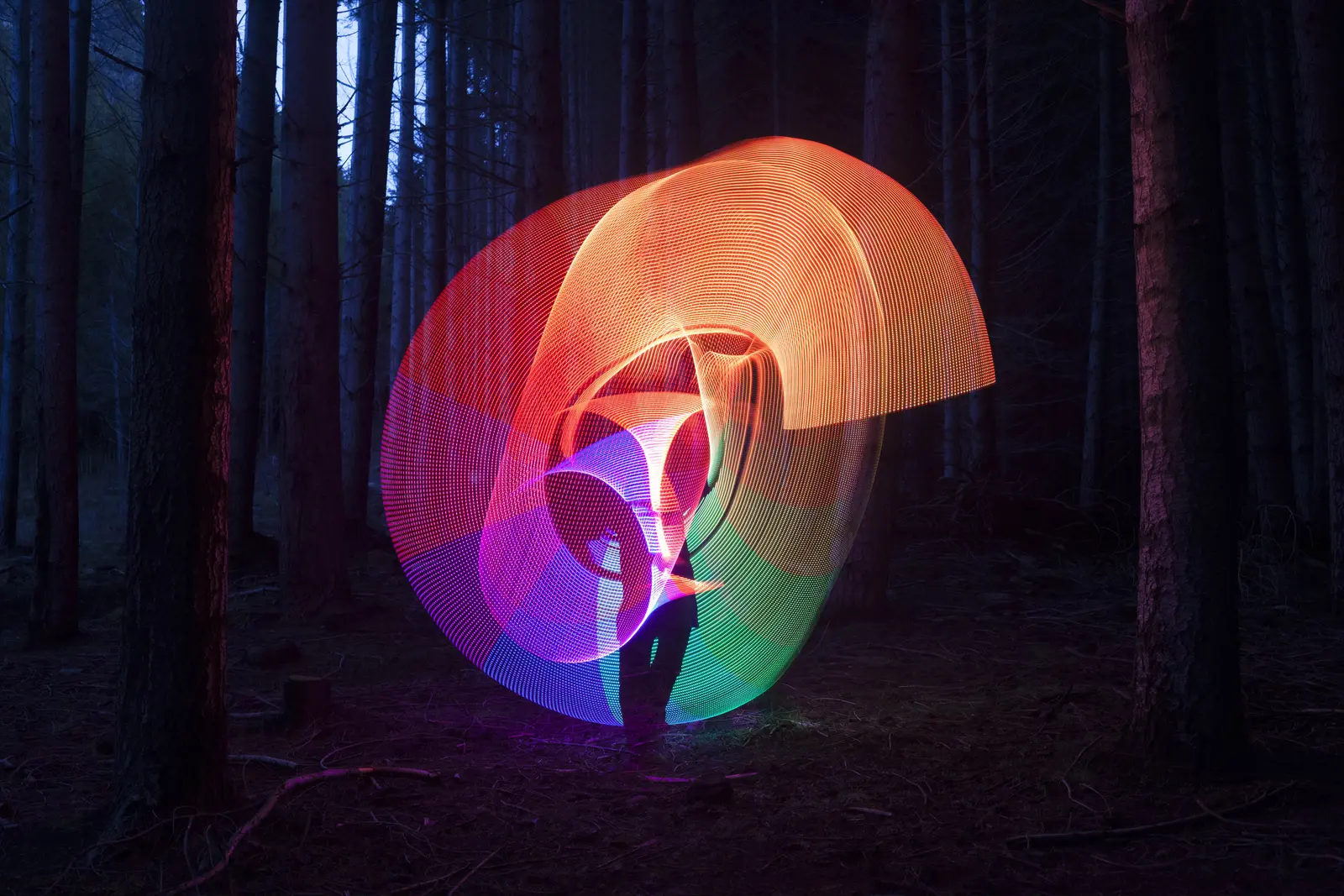
A person in a forest at night, wrapped in a spiral of colored light.
Expand

Azimut and La vida secreta de los alambrados (The secret life of fences) (with Mariana Corral)

Light and sound interventions · 2017 – 2018

On land reclaimed by Mapuche communities, we danced with a light device that switches on with movement and changes color by compass direction. On Benetton’s ranches in Patagonia, we used piezo microphones to record how the wire fences vibrate, to represent the enclosure of almost 900,000 hectares of former Indigenous land.

Today
Both are part of the permanent Restitución show in Temuco, Chile.
2017
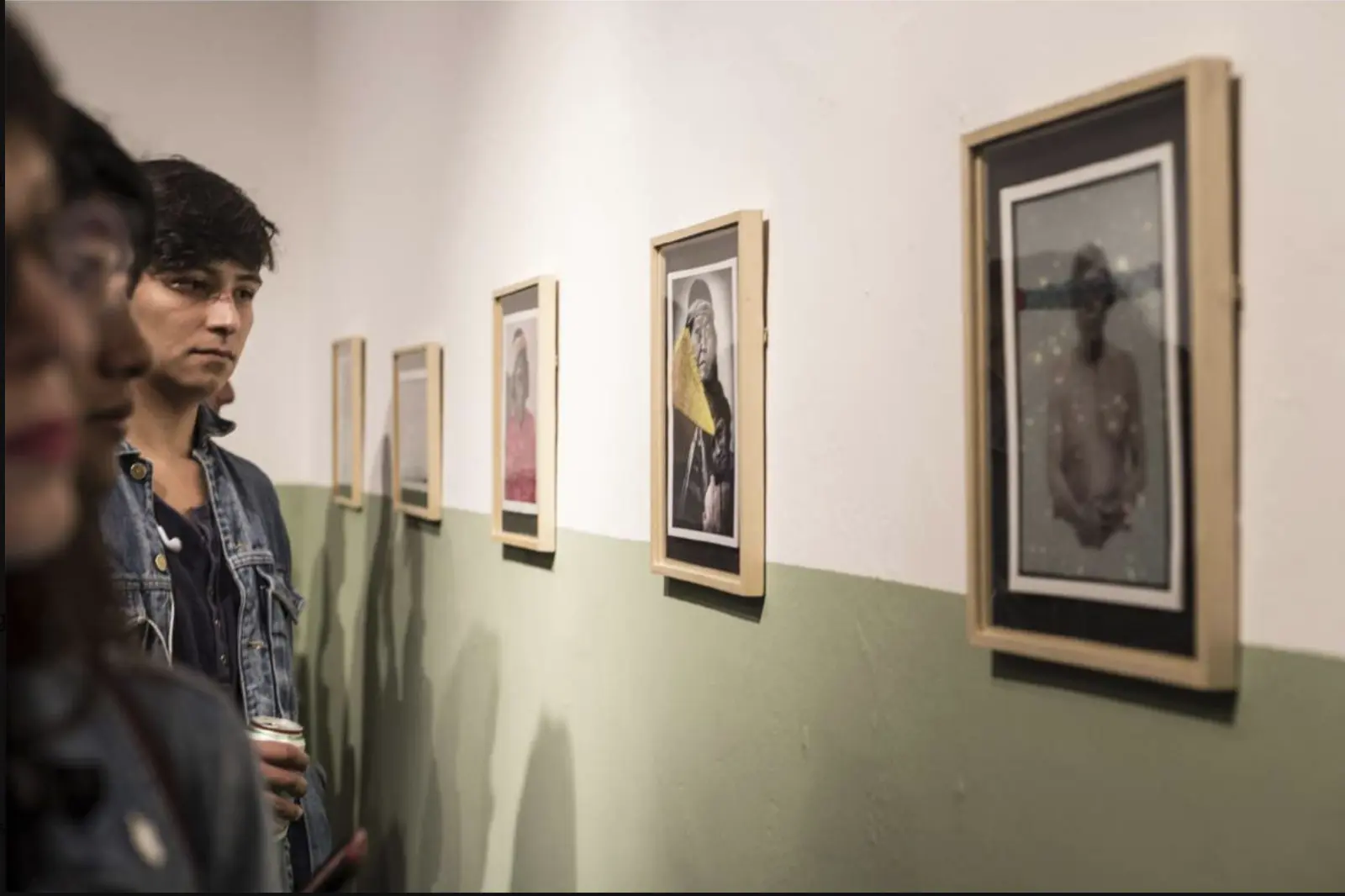
Visitors in front of framed portraits in the exhibition room.
EmbroiderExpand

Restitución (Restitution) (with Mariana Corral)

Altered photography, video and audio · 2017

Eleven portraits of Mapuche prisoners taken at the Museo de La Plata in the late 19th century, colored and embroidered. Embroidering was a way to look for material answers and to heal the images. It was the first chapter of what later became Inakayal vuelve.

Shows
Complejo Cultural de Río Gallegos, with an embroidery day (2018) · tour through 9 de Julio, Los Toldos and Junín with the Epu Lafken community (2017) · Club Cultural Matienzo, Buenos Aires (2017).
Today
On permanent display in Temuco, Chile.
Curators
Agustín Jais and Tam Painé Ciai. Coproduced with Revista Anfibia.
2016
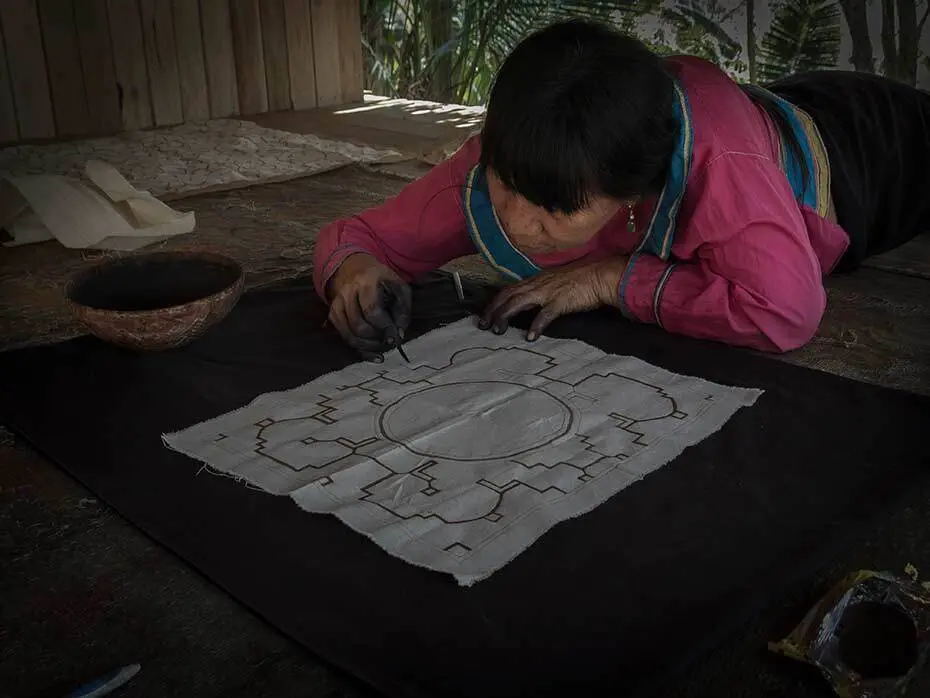
A Shipibo teacher, lying on a black cloth, paints Shipibo embroidery designs on white canvas with a small stick.
EmbroiderTell

Learning from the masters: Shipibo embroidery and ñandutí

Textile training and narrative nonfiction · Peru and Paraguay

I went to the Peruvian Amazon to learn Shipibo embroidery from Sara, an elder Shipibo-Conibo woman, in a village near Pucallpa: designs painted with bark and mud dye, chain stitch and backstitch. In Itauguá, Paraguay, I wove ñandutí with Blanca Quiñonez and Chiquita de Martínez. Both experiences brought me into the textile world for good.

2012
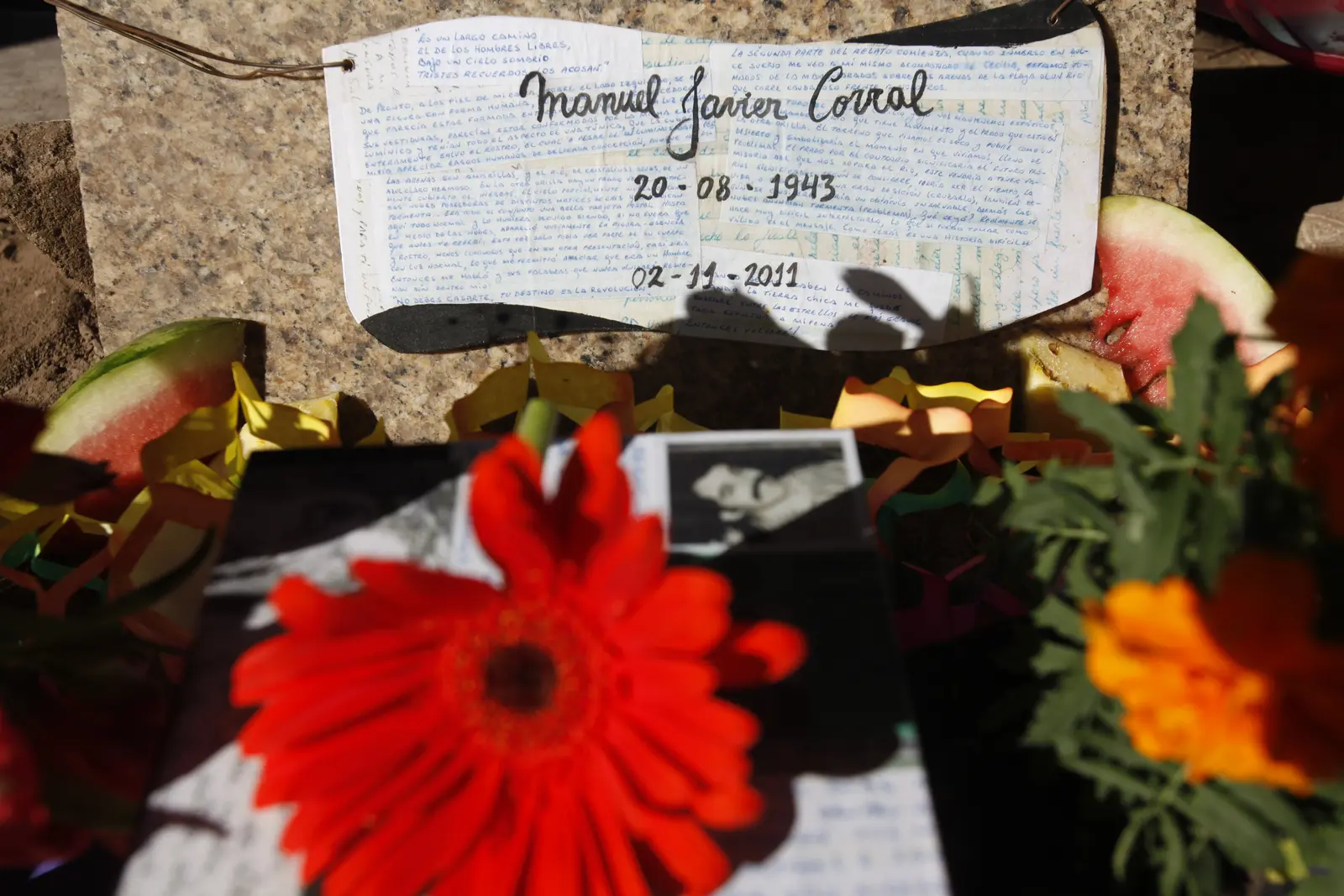
Red flowers and a plaque with the name Manuel Javier Corral on a grave.
Tell

Cómo enterrar a un padre desaparecido (How to bury a disappeared father)

Book and ritual burial · Marea · 2003 – 2012

Manuel Corral, Mariana Corral’s father, was disappeared in 1978 in Iguazú National Park. I rebuilt his life from a letter he left his daughter and some thirty letters from the sixties. On November 2, 2011, we buried a photo of him at the Flores Cemetery, with a ritual taken from the Aymara Day of the Dead, together with other daughters of the disappeared, the GAC art collective and a sikuri band.

After the book, the National Parks Administration opened a case. In 2022 the place was marked as a memory site.

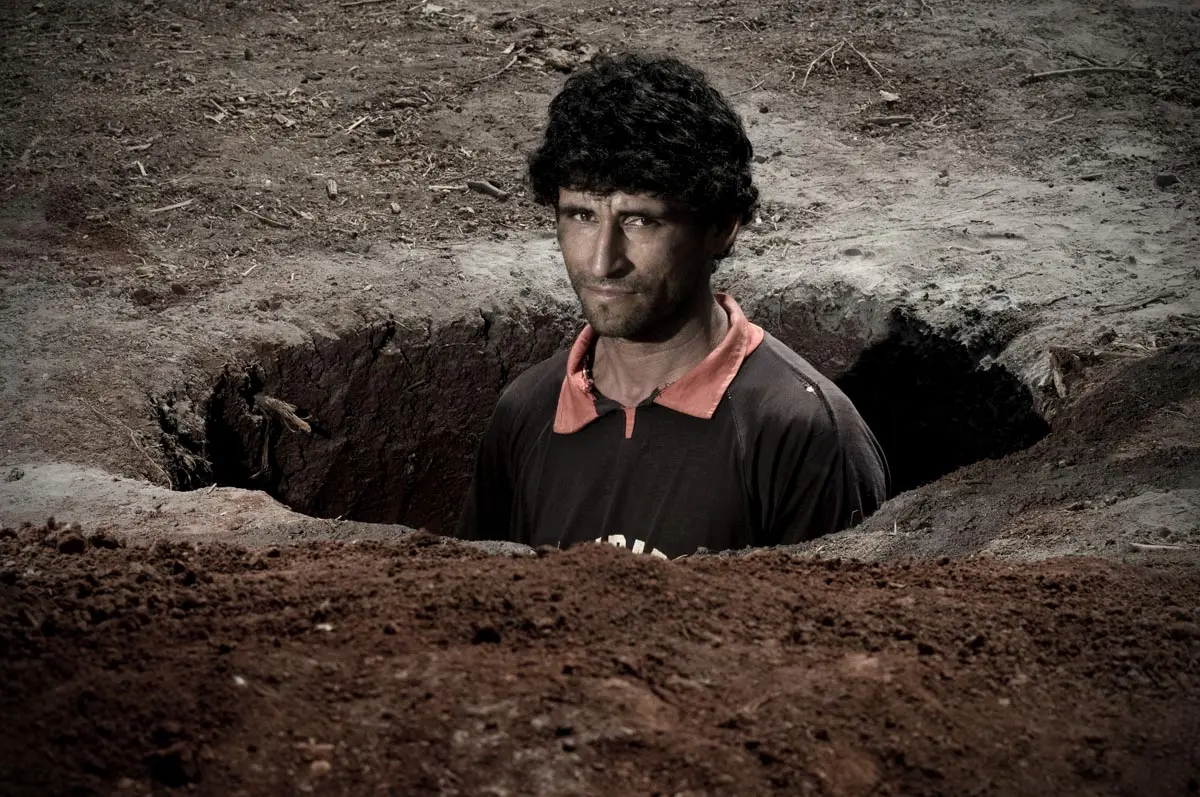
A man looks out of a hole in the ground, facing the camera.
ExpandTell

17 veces volver (17 times back) (Sub Cooperativa)

Photo essay · 2009 – 2012

Forty peasant families from the 13 de Mayo settlement in Itapúa, Paraguay, evicted seventeen times in six years as soy farming advanced. It’s an essay by Sub, the photographers’ cooperative I co-founded with five colleagues. The photos are mine.

Shows
«Retratos paraguayos en dos tiempos», CAV/Museo del Barro (c. 2020) · Galería Arte x Arte, Buenos Aires (2010) · Museo del Barro, Asunción (2010) · Biblioteca Nacional.
2010
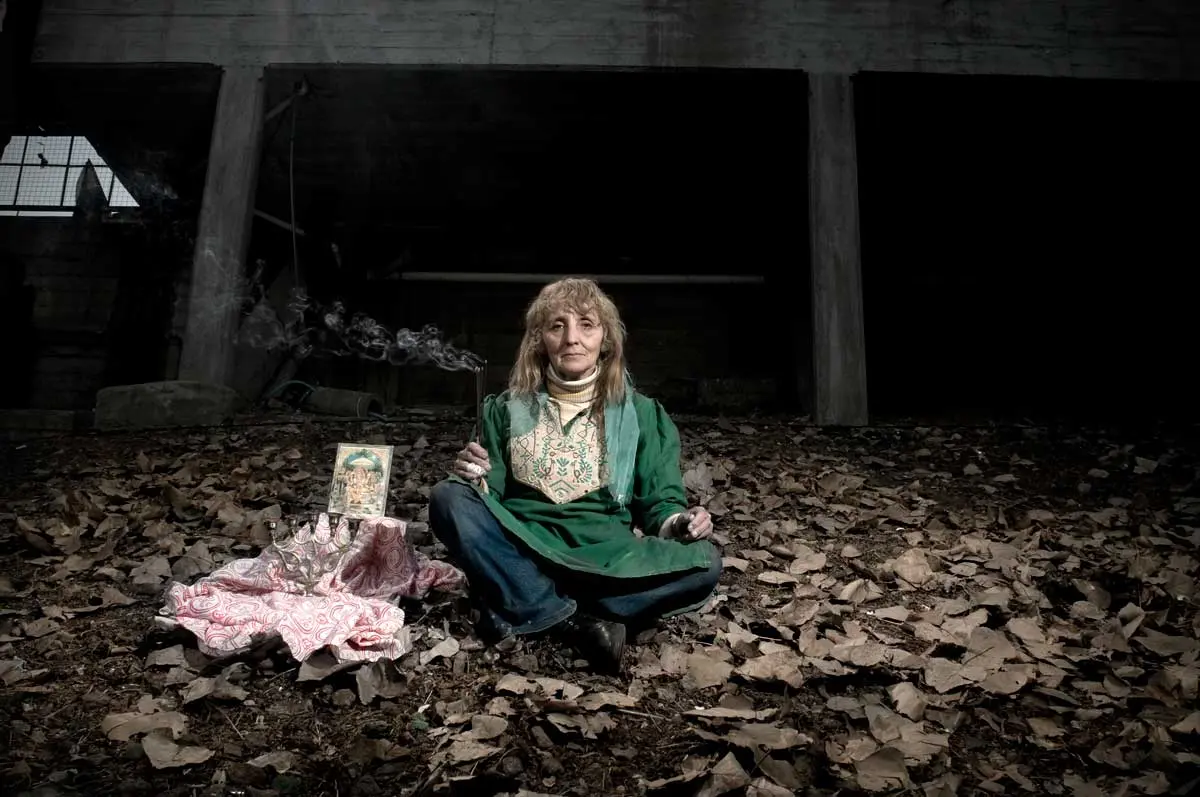
A woman sitting among dry leaves at night, with portraits beside her.
Photo: Gisela Volà.
ExpandTell

San Darío del Andén (Sub Cooperativa)

Photo and sound installation · 2009 – 2010

About Darío Santillán, killed in 2002, from the closeness we shared with him and his comrades. Archival photos, an interview with Darío and portraits of the people who keep his memory alive.

Shows
Centro Cultural Recoleta, Sala 6 (2010) · 10th Cuenca Biennial, Ecuador, first prize (2009).

Track record

Newest first

Shows and projects

  • 2026manta/monte, in «Frecuencias Híbridas», Acéfala Galería, Buenos Aires. Mini embroidery rave on November 14.
  • 2026Decálogo de bordado from Cicuta para los oídos, one-of-a-kind copies with illustrators from Cátedra Roldán (FADU/UBA). Centro Cultural Recoleta, Buenos Aires.
  • 2025–26Bordar juntes, collective embroidery circles for manta/monte in bars, bookstores, the Cabildo, artists’ studios and my studio.
  • 2025Cicuta para los oídos, novel (Eterna Cadencia), and its objects: the brain-hammering machine, the jewel earplugs and reprogram_v2.
  • 2024–25AIkuaa, an AI that speaks Guaraní, with El Surti, Paraguay.
  • 2024Eva, nonfiction chatbot, with El Surtidor, Paraguay.
  • 202017 veces volver, in «Retratos paraguayos en dos tiempos», CAV/Museo del Barro, Asunción.
  • 2018Inakayal vuelve: SCUM, Bariloche (4th Intercultural Gathering) · Museo Estación Cultural, Fernández Oro · Casona de la Memoria, Viedma · Los Toldos · tour with workshops along the Patagonian route.
  • 2018Alquimia para una foto, Van Dyke Brown prints developed in the sun at each stop on the route.
  • 2018Punto Querandí, Formosa Galería, Buenos Aires. Curated by Guillermina Baiguera.
  • 2018Restitución, Complejo Cultural de Río Gallegos, with an embroidery day.
  • 2017–18Azimut and La vida secreta de los alambrados, with Mariana Corral. Patagonia.
  • 2017Restitución, with Mariana Corral. Club Cultural Matienzo, Buenos Aires, and tour through 9 de Julio, Los Toldos and Junín with the Epu Lafken community.
  • 2011–12Cómo enterrar a un padre desaparecido, book and ritual burial at the Flores Cemetery, Buenos Aires.
  • 2010San Darío del Andén, with Sub Cooperativa de Fotógrafos. Centro Cultural Recoleta, Sala 6, Buenos Aires.
  • 201017 veces volver, with Sub Cooperativa de Fotógrafos. Museo del Barro, Asunción, and Galería Arte x Arte, Buenos Aires.
  • 2009San Darío del Andén, with Sub Cooperativa de Fotógrafos. 10th Cuenca Biennial, Ecuador.
  • TodayRestitución, on permanent display in Temuco, Chile. Inakayal vuelve, in the care of the Quintupuray community, Villa La Angostura.

Awards, grants and selections

  • 2026Selected for the art and sound clinic at Acéfala Galería, led by luthier Javier Bustos.
  • 2025Semifinalist, Premio Medifé novel prize, with Cicuta para los oídos.
  • 2024FINND grant from Fundación Gabo, for Eva.
  • 2024JournalismAI Innovation Challenge, with El Surti, for AIkuaa.
  • 2024Selected from 900 applicants for the Open Society Foundations summit, Turin.
  • 2024Selected proposal at the Media Party Media Fair, Buenos Aires.
  • 2023Juror, Premio Gabo, second round, Narrative Journalism category.
  • 2019Finalist in the publishing open call of the Centro de Fotografía de Montevideo, with the photobook Inakayal vuelve (one of 10 projects from Latin America).
  • 2019Juror, Transmedia category, Santa Fe Ministry of Innovation and Culture.
  • 2018Fondo Nacional de las Artes and Fondo Metropolitano de las Artes grants, for Inakayal vuelve.
  • 2018Outreach project of Universidad Nacional de Río Negro, for the Inakayal vuelve tour.
  • 2018Declared of social, cultural and educational interest by the Viedma City Council, for Inakayal vuelve.
  • 2009First prize, 10th Cuenca Biennial, Ecuador, with San Darío del Andén (Sub Cooperativa de Fotógrafos).

Books

  • 2025Cicuta para los oídos, novel. Eterna Cadencia.
  • 2012Cómo enterrar a un padre desaparecido, nonfiction. Marea.
  • 2011Sangre salada. Una feria en los márgenes, nonfiction. Marea.
  • 2008Gauchito Gil. El Colectivo.

Teaching and workshops

  • 2025–26Creative Writing diploma program, Universidad Nacional de Tres de Febrero (UNTREF).
  • 2019–26Master’s in Narrative Journalism, Universidad Nacional de San Martín (UNSAM).
  • 2017–nowTeaching assistant, Narrative Nonfiction Workshop, Creative Writing, Universidad Nacional de las Artes (UNA).
  • 2026Open embroidery days, Buenos Aires.
  • 2022Reading and embroidery gathering, Filba Internacional.
  • 2017–18Workshops on embroidering photos during the Restitución and Inakayal vuelve tours.

What’s been written

Criticism, papers and press
Sebastián Hacher’s #Inakayalvuelve is an exceptional example of documentary narrative.
Mónica BernabéTelar (UNT), 2022 · translated from Spanish
Embroidering the archive, intervening in the desert.
Leo CherriTitle of his article in ALeA (UFRJ, Brazil), 2024 · translated
It is one of the few examples of that kind of AI being used to tell a story.
LatAm Journalism ReviewOn Eva, among the ten projects of 2024 · translated
Meet Eva, the AI chatbot based on a woman in prison.
Santi CarneriRest of World, 2025
Writing about my work
  • 2025Verónica Boix, review of Cicuta para los oídos, La Nación · Read (in Spanish) ↗
  • 2025María José Melendo and Gustavo Cabrera, on Inakayal vuelve, Otros Logos (UNCo) · PDF (in Spanish) ↗
  • 2025Ferreyra, Grilotti, Lima and Marchiano, «Bordando pasados y presentes: #inakayalvuelve», VII JEIDAP, Facultad de Artes, UNLP · Read (in Spanish) ↗
  • 2025Santi Carneri, «Meet Eva, the AI chatbot based on a woman in prison», Rest of World · Read ↗
  • 2024Leo Cherri, «Bordar el archivo, intervenir el desierto: #InakayalVuelve de Sebastián Hacher», ALeA (UFRJ, Brazil) · Read (in Spanish) ↗
  • 2024César López Linares, «10 proyectos periodísticos innovadores que causaron impacto en América Latina en 2024» (Eva), LatAm Journalism Review · Read (in Spanish) ↗
  • 2022Mónica Bernabé, «Restituciones: formas de la narrativa documental», Telar no. 28 (UNT) · Read (in Spanish) ↗
  • 2019Sofía Delle Donne, «Exhibiciones e imágenes de archivo. Estrategias del audiovisual en Restitución e Inakayal vuelve», JIDAP, FBA-UNLP · PDF (in Spanish) ↗
  • 2017Carolina Bartalini, «La carta de/al padre: intermedialidad y afiliaciones estético-políticas en Cómo enterrar a un padre desaparecido», Exlibris (UBA) · Read (in Spanish) ↗
  • n.d.Emilia Perassi, «Enunciar desde la experiencia, enunciar desde la ficción: Sebastián Hacher, Julián López, Marta Dillon», University of Milan · PDF (in Spanish) ↗
  • n.d.John Bell, review of Cicuta para los oídos, El Diletante · Read (in Spanish) ↗
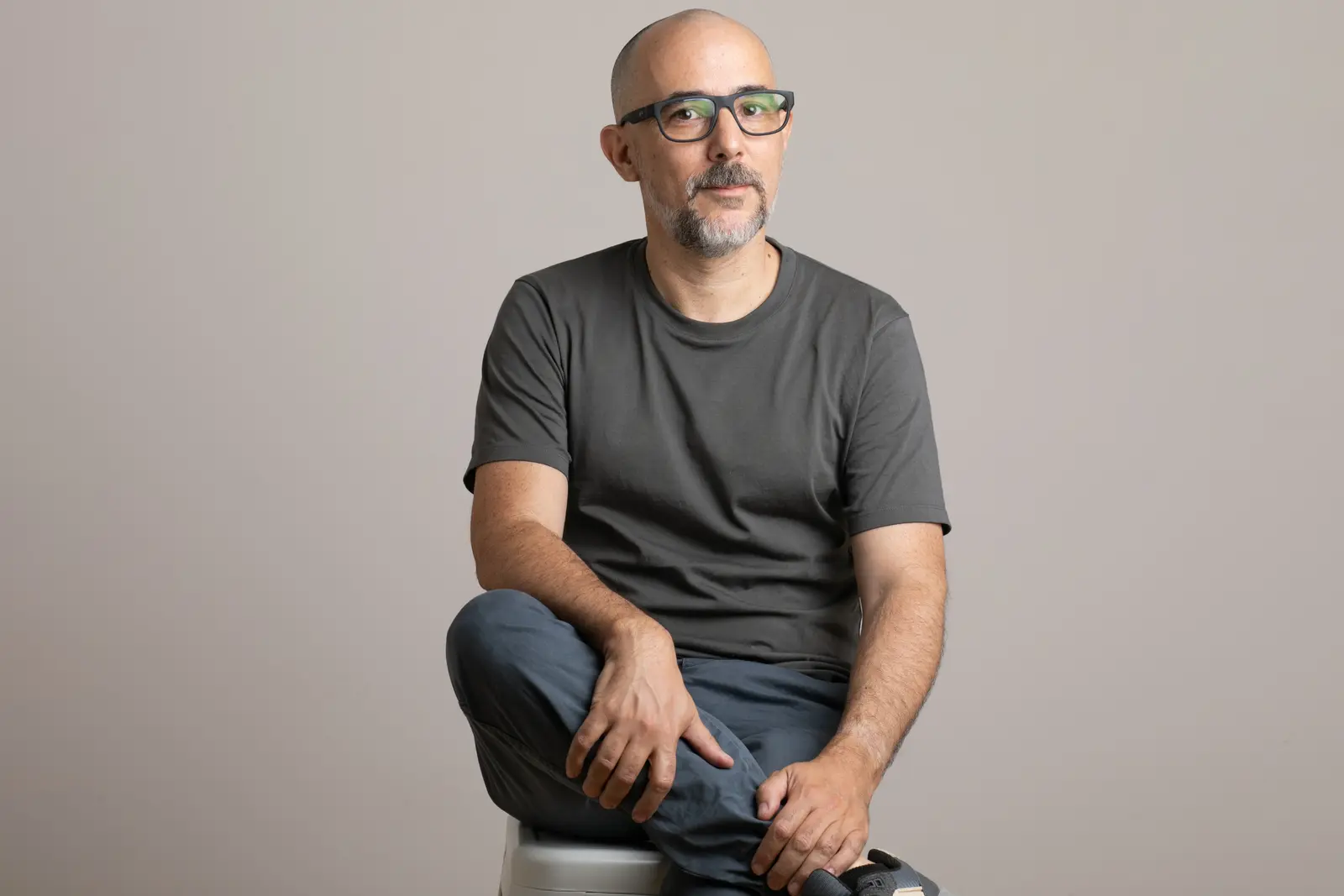
Portrait of Sebastián Hacher sitting, wearing glasses and a gray T-shirt.
Photo: Catalina Bartolomé.
About me

Sebastián Hacher

I live in Buenos Aires and my studio is in the countryside, in El Pato, 40 kilometers from La Plata.

I started out as a narrative journalist and photographer: I co-founded Sub Cooperativa de Fotógrafos, edited Cosecha Roja, was managing editor of Infojus Noticias and audience editor at Revista Anfibia. In 2015 I started embroidering. I learned in Argentina, then with Shipibo masters in the Peruvian Amazon and with ñandutí weavers in Paraguay.

Today I embroider, write, solder and design conversational stories with artificial intelligence. I also teach writing.

Education
Graduate degree in Cultural Journalism, Universidad Nacional de La Plata (2011), with the final thesis «Un ritual aymara para un padre desaparecido». BA in Psychology, Universidad de Palermo (in progress). Art and sound clinic at Acéfala Galería, with Javier Bustos (2026).

Let’s talk.

If you want to see a work, bring it to a show or talk about a project, write to me.

sebastian@storytelling.cool